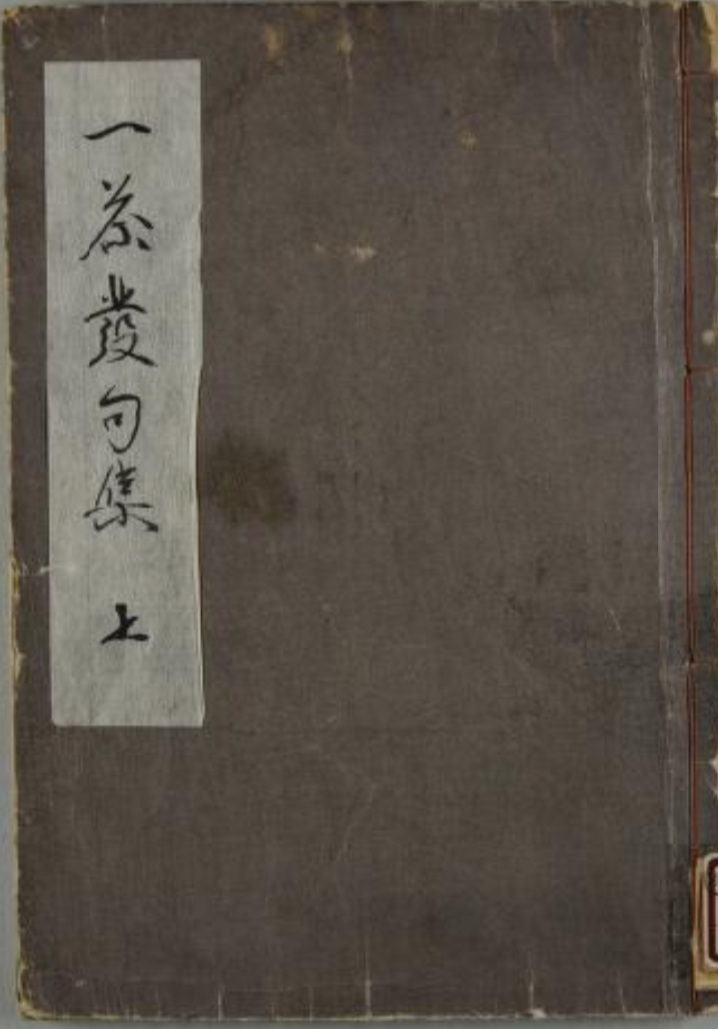
「一茶發句集」には一茶(1763-1828)没後2年の文政12年(1829)年とその後に収集された句を加え弘化丁巳(1857)年に出版されたいわば増補版がある。以下、両者の序文を引用する。なお、縦書き文庫版「ふりがな小林一茶発句集」の底本は信濃教育会編『一茶全集』(信濃毎日新聞社1979年)第1巻「発句」である。
掲載句数を比較すると1857年版は1979年版の17分の1程度しかない。たとえば、春の部の句数は283と4,832である。後世の関係者による収集作業がいかに大きかったか思い余るものがある。このことはまた一茶の作句姿勢に深く関係していると考える。誤解を怖れずに申せば、彼の句は生活に根ざし生活のなかに埋もれていたのだ。
| a. 「一茶發句集」文政12(1829)年版 |
|---|
| 月を覆ふ雲花を散す風善悪表裏はめぐれる車の輪の如しといにしへの人のことばこそむべなれ、我師は能これを暁し生涯を自然に任せられしに、いぬる文政丁亥の冬身まかられて後、教へを請し人人遠き境までも最寄々々にいひ傳へ |
| はやくもかけあつまりて残れる人にものとふに、いひおける一言もなくそのうへ何者のわざにや日頃机のほとりにつみ重ねたる反故ものゝ本どもをさへ空吹拂ふ凩の塵ばかりもなく失はてゝいたづらに漉かへす紙のうちにやひさがれけん |
| 哀れ尊き文もあらんに見る人なくて、れう比丘にこがれうちくれし諭に同じ手の物とられし心地しておの〳〵むなしく家に帰り訪れし時々書捨おかれし筆の跡とり出し或は行かふ市の星見世などに見當る行脚の時の日記やうなるもの價もてこれを求などしつゝあしこ爰ひろひ集てこのふたつの巻となすはながきかたみと見るべきまでや |
| 文政十あまり二とせといふ年の冬 俳諧寺の沙彌 某しるす |
| 萩原井泉水編「一茶發句集」(1926)解題より |
| b. 「一茶發句集」弘化丁巳(1857)年版 |
|---|
| 増賀ひじりの師の御坊僧正*の参内のをり乾鮭の太刀はき痩馬に乗て供奉し又皇太神宮の名利を捨よとおほけなき霊勅によりやがて赤裸になりてくるひそゝめきしは僧綱をたまはり錦繍を身にまとひしよりも中〳〵に内心清浄ならんか *天台宗の僧、慈恵大師良源僧正(912-985) |
| 近き頃信濃の國柏原俳諧師一茶は元禄のむかしの惟然坊*のたぐひにて上野の坂本町本所番場にいほりせしをりは、晝も行燈をともしおきて煙草火にかえ或は客來り餉の時いたればそれとともに店屋に行食事をはればかたみに料足を拂て返りしなど、なべての事辛き世をいともやすげにすごせるものから四方遊歴の先々には奇談笑話人口に噲炙せるもの多し *江戸時代の俳人広瀬惟然(1648-1711) |
| 發句文章もまたそれに随ひ頤を解き膽をうばゝしむる物少からず、實に一世の俳將なりし、斯而文政丁亥の冬黄泉の客となりしのち門徒集りて反古物しらべしかど斯く隠逸のさがにしあればいひのこす言葉もなく、さるさうしやうのものさへちりちりになんなりしをからうじて句集いできにたれどそれさへ藏版とかいふものにて世におほやけならざるををしみ書肆何某おのれにはかりて刪補を乞ふ |
| 辭する事にしもあらねばもとの集の上に自他の耳底に残りすりまき消息やうのたぐひに見えたるをも書くはへてあまつさへ始につたなき筆をはしらす |
| 弘化丁巳(1857年)彌生 俳沙彌一具 |
| 萩原井泉水編「一茶發句集」(1926)本文より |
| a. a tentative translation by DeepL |
|---|
| “Clouds cover the moon; the wind scatters flowers; good and evil, like the two sides of a coin, revolve like the wheels of a cart”—truly, the words of the sages of old are most fitting. Our master understood this well and entrusted his life to the ways of nature; yet after he passed away that winter 1828 of the Bunsei era, those who sought his teachings gathered from far and wide, passing his teachings on from one person to the next |
| Soon, people gathered and asked those what remained, but there was not a single word left behind. Moreover, as if by some mysterious force, even the books of discarded drafts that had been piled up beside his desk day after day had vanished without a trace—as if swept away by a blizzard—leaving only the dust of the wind. Perhaps they had simply scattered into the sheets of paper he had needlessly re-sifted. |
| Alas, even if there were noble writings, there was no one to see them, I felt as though the very words I had longed for from that monk had been snatched from my hands, and I returned home, each of us feeling empty. I retrieved the traces of his writing left behind from time to time—scribbles cast aside—and even sought out, for a price, items resembling diaries from his pilgrimages that I happened to find at stargazing stalls in the markets. Gathering these here and there, I have compiled them into these two volumes—a long to be regarded as a lasting memento? |
| b. a tentative translation by DeepL |
|---|
| When Zoga Hijiri’s master, the Gobo Sojo, entered the palace, he rode a gaunt horse and carried a dried-salmon sword as part of the imperial retinue. Furthermore, in accordance with a mysterious divine edict commanding him to renounce the fame and fortune of the Grand Shrine of Ise, he eventually stripped himself naked. Was his inner purity greater at that moment than when he had been granted the monk’s robe and clad himself in brocade? |
| Recently, Issa(1763-1828), a haikai poet from Kashiwabara in Shinano Province—who was of the same ilk as the old Gizenbō of the Genroku era—used to live in Honjo Banba, Sakamoto-chō, Ueno. There, he would keep his lantern lit even during the day, using it to light his tobacco; or, when guests arrived for a meal, he would go with them to a restaurant to eat, and after paying their respective bills, they would return together. In this way, he managed to live quite comfortably in an otherwise harsh world, and wherever he traveled, his strange tales and humorous anecdotes became widely known and much talked about. |
| His haiku compositions, too, were often such as to make one smile and take one’s breath away; he was truly the leading haiku master of his generation. However, after he passed away in the winter 1828 of the Bunsei era, his disciples gathered to search through his old papers, but because he was so reclusive, he left no written words behind. and even those scattered fragments were barely pieced together to form a collection of his haiku. However, since even that collection was published as a private edition and remained largely unknown to the public, a certain bookseller took it upon himself to request that I edit and supplement it. |
| Even if I were to take my leave, I cannot help but write down what has lingered in my own and others’ ears—those things that seemed like mere rumors—and I dare not even begin to put pen to paper, for my writing is so clumsy from the start. |


Leave a Reply